
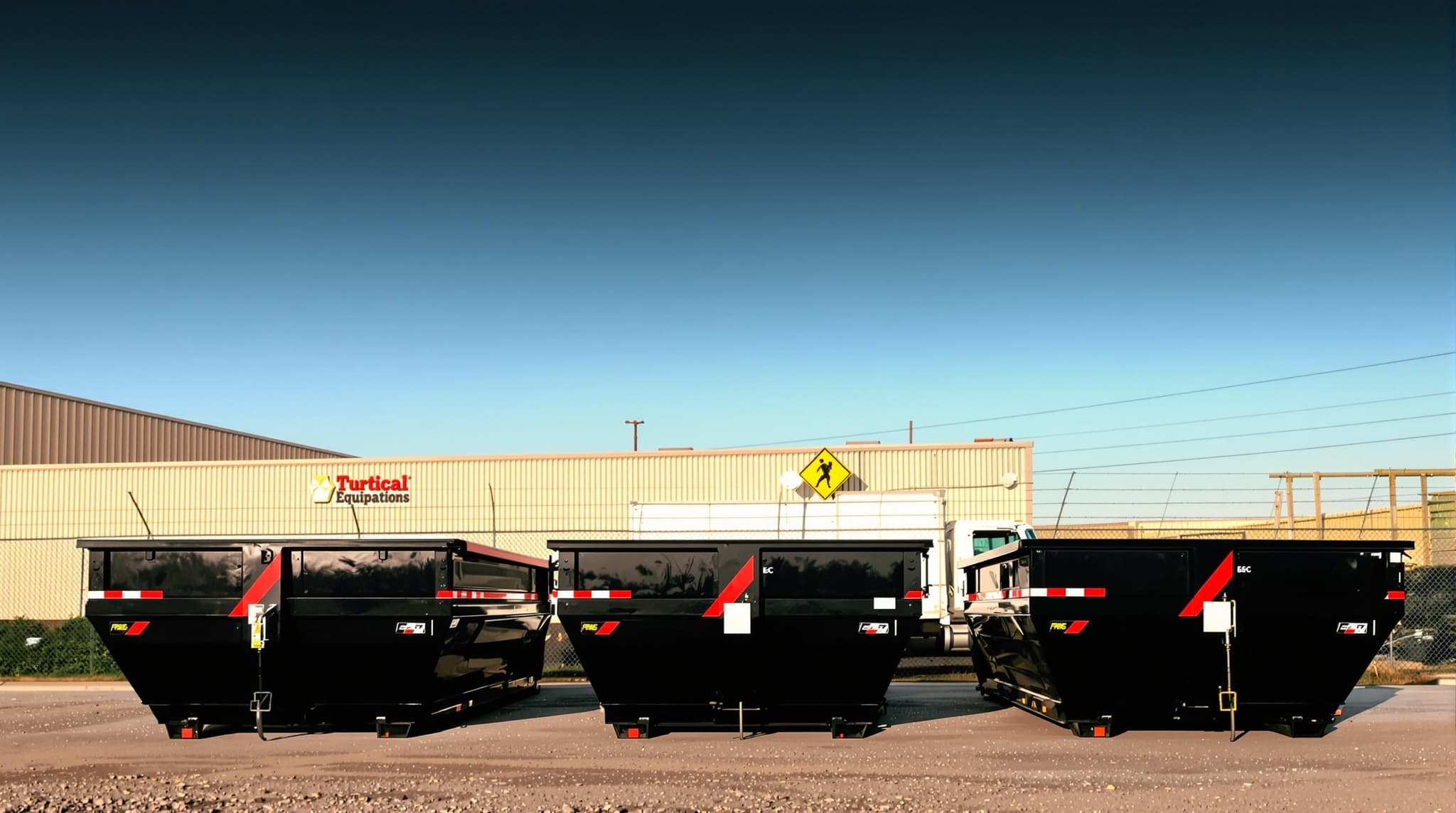
Size is the number one question we hear before a rental. Choose too small and you're paying for an extra pickup; choose too large and you're paying for room you'll never fill. Fortunately, most jobs line up with just a few standard sizes, and a short conversation can settle the rest.
Think Pickup Loads, Not Cubic Yards
Cubic yards don't mean much until you've worked with them daily. Picture pickup-truck loads instead: a 10-yard bin holds about 3 to 4 loads, a 20-yard holds 6 to 8, and a 40-yard holds 12 to 16. Count how many truck loads your debris pile would fill, and you'll land close to the right size.
Match a Size to Your Project
- 10–12 yards: a single-room cleanout, a small kitchen or bathroom tear-out, tight driveways, or dense debris like concrete in modest amounts.
- 15–20 yards: garage cleanouts, roof tear-offs, mid-size remodels, and the majority of homeowner projects.
- 30–40 yards: major renovations, new-build construction, full estate or house cleanouts, and commercial projects generating large volumes of bulky waste.
Heavy Debris Is About Weight, Not Just Size
Materials like concrete, dirt, asphalt, and shingles can hit a container's weight limit long before it looks full. For jobs like these, a smaller bin is often the smarter choice, and we'll go over the weight allowance with you beforehand so nothing catches you off guard at pickup.
Still Unsure? Just Describe the Job
You don't need to nail this down by yourself. Describe what you're clearing out and roughly how much of it there is, and we'll suggest a size honestly, even when the smaller, more affordable option will do the job. Call (855) 404-7242 and we'll sort it out together.